
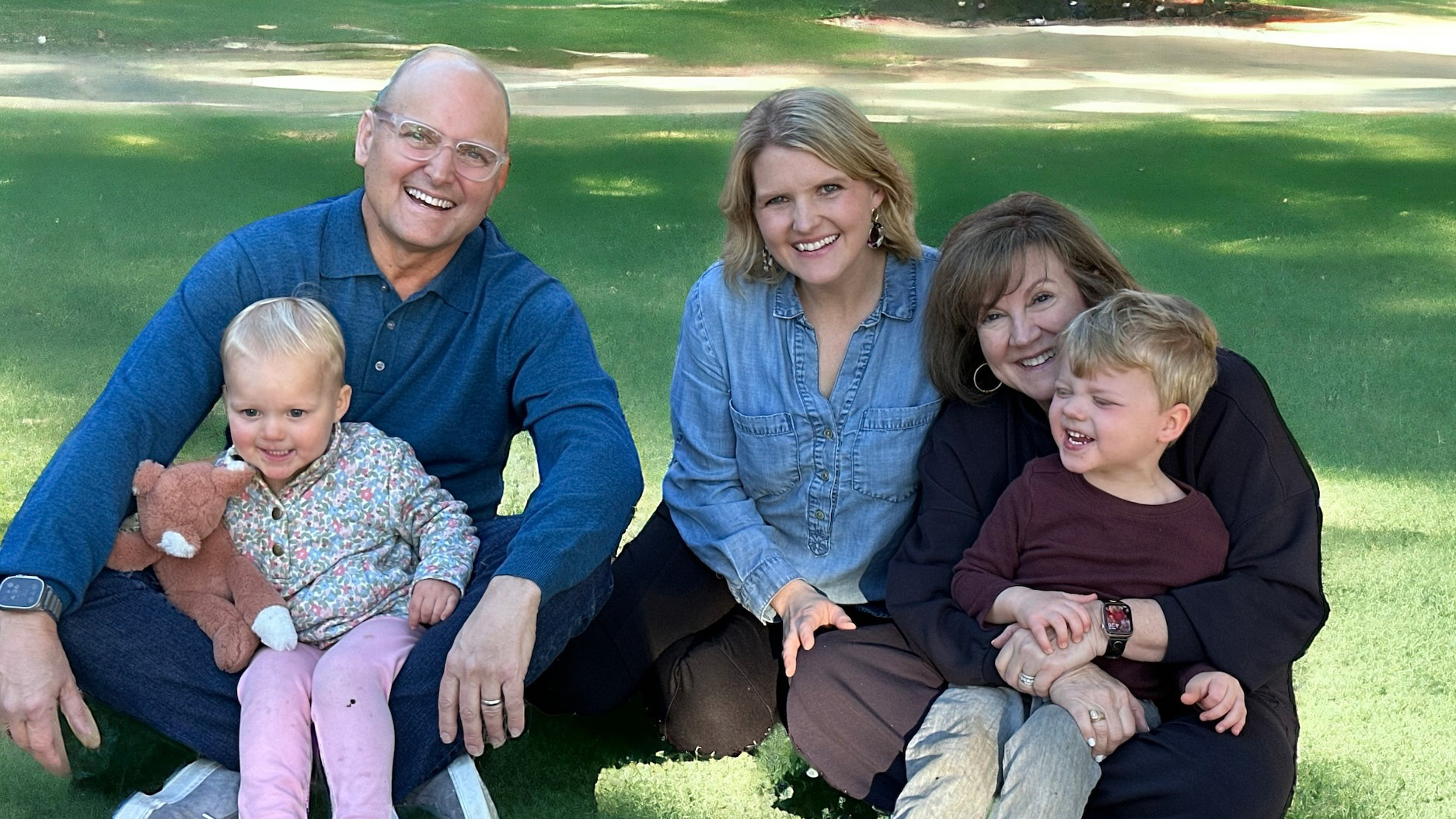
With three Texas A&M University petroleum engineering degrees to his name, Dr. Mark Semmelbeck ’83 set out to help fuel the world — only to end up nourishing more than just energy pipelines. Guided by a love for math, a father’s encouragement and a knack for problem-solving, Mark has cultivated a string of successful ventures, the latest serving up healthy meal choices for busy parents.
‘P’ is for petroleum
As a teenager, Mark explored some of the nation’s top engineering schools. A visit to the Colorado School of Mines left him awestruck by the ridges of the Rocky Mountains. But another campus — his father’s clear favorite — was calling him from the rolling hills of the Brazos Valley.
“I loved the mountains and skiing,” Mark said, a love that has stayed with him to this day. “But my dad reminded me, ‘If you go to the Colorado School of Mines, you’ll end up being a good skier. If you go to Texas A&M, you’ll end up being a good engineer.’”
Those words sealed the decision for Mark, and Aggieland soon became home.
Mark first chose to pursue chemical engineering but, after a field trip to a chemical processing plant in the sweltering Texas heat, he realized the field wasn't for him.
Fortunately, a friend introduced him to petroleum engineering and the prospect of drilling in the Rockies.
After working in the industry for five years, Mark returned to work on an engineering Ph.D. Rather than working on one of the projects ongoing in the department, he decided to create his own.
“I made up my own curriculum, came up with my own idea from our research project, and pretty much did it on my own — though I had great guidance from my advisor and professors,” Mark said.
The project explored how mud filtrate invasion during drilling could affect well log readings. He combined those insights with a new Schlumberger tool to measure formation properties.
Even when his advisor doubted the concept would work, Mark pressed forward and developed a model that proved it could. The work led to a patent and a defining lesson: Texas A&M trusted him to chase an idea, put in the work and be judged on the results.
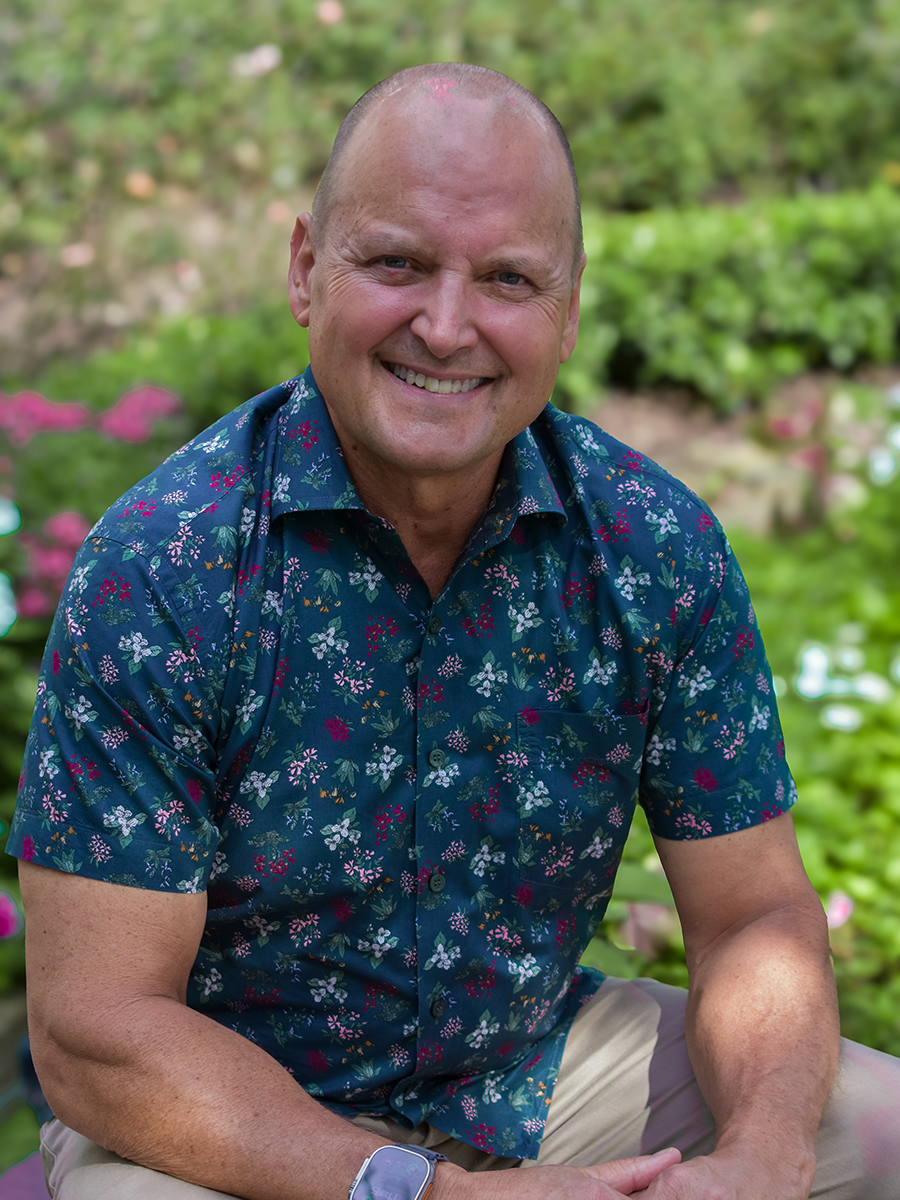
Alongside Mark in Aggieland was his west Texas high school sweetheart, Roc’C. Having married just three weeks after earning his bachelor’s degree, they would go on to raise a family while Mark continued his academic journey.
“I was working full-time, raising two kids, and doing my Ph.D.,” he said. “At one point, I told Roc’C I was going to quit, and she said, ‘No. You’ve put us through this for five years, you’re finishing.’ And I did.”
Mentorship from professors such as Dr. Ted Watson, Dr. Stephen Holditch and Dr. Richard Morse played a pivotal role in Mark’s experience at Texas A&M University. Their support and encouragement — combined with rigorous coursework — helped Mark believe in himself and succeed in the petroleum engineering program.
When Mark crossed the stage in 1995 with his Ph.D. in petroleum engineering, he felt nothing but relief and gratitude.
Starting fresh
Mark, now well-versed in niche petroleum engineering practices, joined the workforce and immersed himself in some of the world’s largest oil and gas operations in the 1990s.
When Enron collapsed in the early 2000s, Mark — who had been with them for less than two years — found himself unexpectedly free.
Without a roadmap or template to follow, he dove in headfirst.
"It took two years before my business partner and I could pay ourselves, but we made it work,” he said. “I didn’t know how to start a company, but I knew I’d figure it out as I went.”
That grit became a defining trait of Mark.
“The confidence and tenacity I gained from my degrees carried into everything — through oil price crashes, startup challenges and now into tech,” he said.
Decades later, the same curiosity that first drew him toward petroleum engineering pulled him into a very different arena: healthy eating.
A Better Meal is a digital app designed to reduce the stress of home cooking. With AI-powered meal planning, personalized recipes, step-by-step guidance and built-in grocery tools, it helps support busy families.
The inspiration was personal for Mark — rooted in helping his daughter and her children eat better — yet the challenge was as real as any land evaluation or drilling project.
“I like solving real problems,” he said. “In oil and gas, it was reservoirs. In software, it’s busy families trying to plan healthy meals.”
Building A Better Meal hasn’t been easy. Co-founders came and went, the software world was uncharted territory, and the learning curve was steep. But Mark never thought of quitting.
“If you want something, you put your head down and get it done,” he said. “There’s no shortcut.”
That relentless drive traces straight back to Aggieland, where Mark learned to tackle problems with creativity, persistence and a willingness to figure things out as he went.
Mark proved early on that charting your own course can lead to remarkable places. A Better Meal may be worlds away from oilfields and well logs, but it’s fueled by the same Aggie spirit — bold ideas, hard work and the belief that with enough tenacity, you can build something that makes a real difference.