
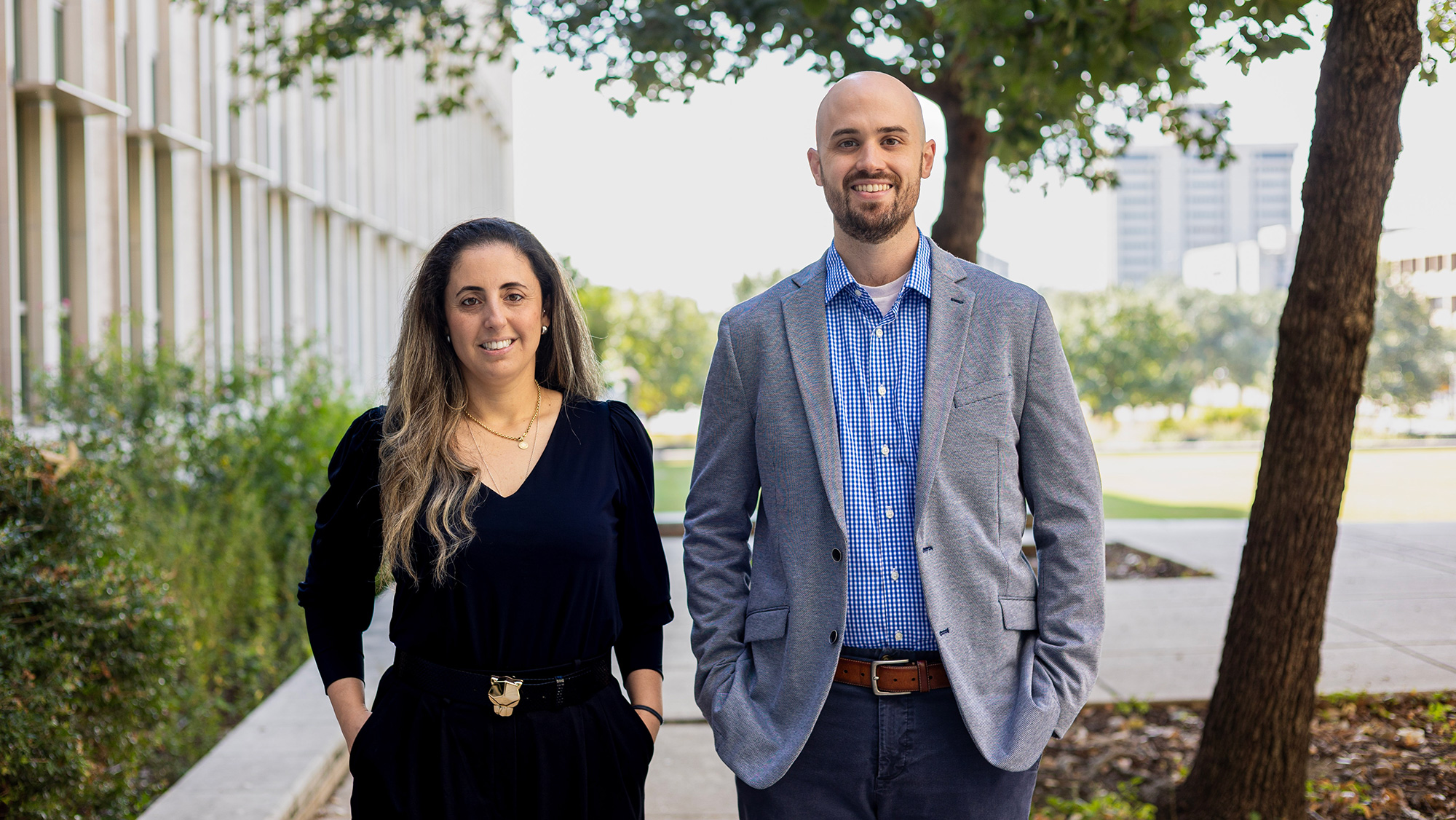
The Department of Biomedical Engineering at Texas A&M University is expanding its biophotonics faculty group by welcoming two new assistant professors, Dr. Layla Pires and Dr. Zachary Steelman.
The biophotonics group at Texas A&M University aims to investigate cancer and microbiological control using light-based therapies, including photodynamic (PDT) and sonodynamic reactions (SDT).
“Both offer distinct but complementary strengths,” said Dr. Vanderlei Bagnato, biomedical engineering professor, CPRIT Scholar and lead for the biophotonics group. “Dr. Pires is a specialist in photodynamic therapy and the development of treatment protocols for melanoma. Dr. Steelman has strong expertise in instrumentation and developing advanced diagnostic techniques. Their combined knowledge enhances the group’s ability to address challenges in both diagnosis and treatment, with real clinical potential.”
According to Bagnato, applying biophotonics enables safer, faster, and more precise medical technologies.
“As we are developing a new research group, it is crucial that our faculty are willing to work on topics that foster cooperation and promote synergy,” he said. “That spirit is precisely what Dr. Pires and Dr. Steelman are bringing.”
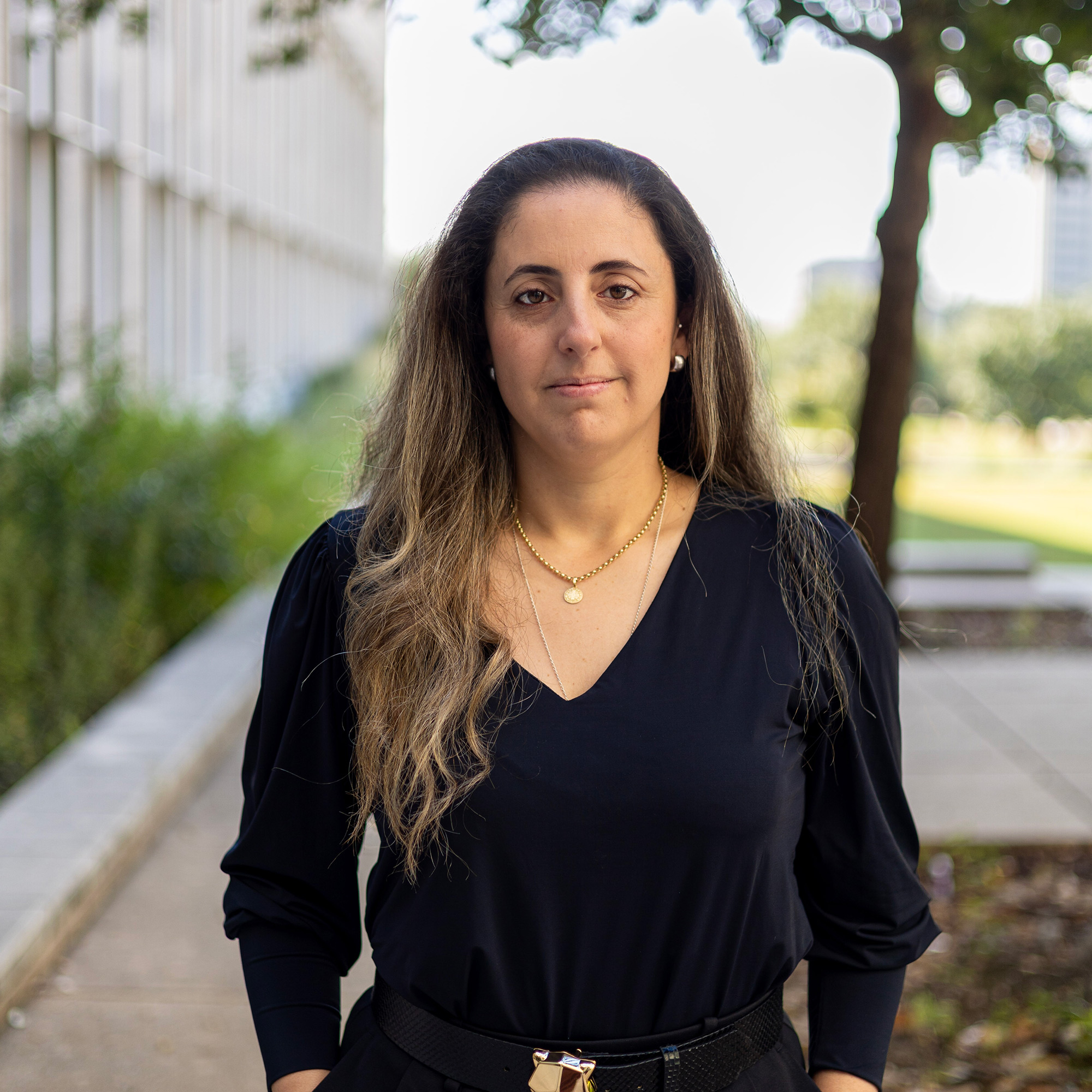
Dr. Layla Pires
Pires and her lab are using biophotonics therapies to treat cancer by training the immune system to recognize cancer cells and prevent metastatic spread from one part of the body to another. Their approach can treat the primary tumor and teach immune cells to target the remaining cancer cells to prevent and slow metastatic cancer.
Building on previous discoveries, Pires is investigating how variables may affect treatment outcomes for skin melanomas.
“We’ve already demonstrated that we can prevent metastatic spread and stop the development of tumors in other sites. Now, we’re moving into understanding how different tumor mutations affect treatment,” Pires said. “Not every tumor is the same.”
She is also developing a treatment for a rarer population of patients — those with cancer in the eye. Current diagnostic methods often delay treatment until lesions grow, leading to a higher risk of metastasis and fatality. Her approach can treat lesions with minimal damage to surrounding tissue.
“We have demonstrated that we can eradicate those lesions in the eye by using multiphoton PDT, which only causes damage just on the tumor cell,” she said. “We’re starting with melanoma, but we’re also looking at retinoblastoma, which is the most common eye cancer in children. If we can offer a treatment that preserves vision and avoids damaging healthy tissue, that’s a huge advantage, especially for pediatric patients.”
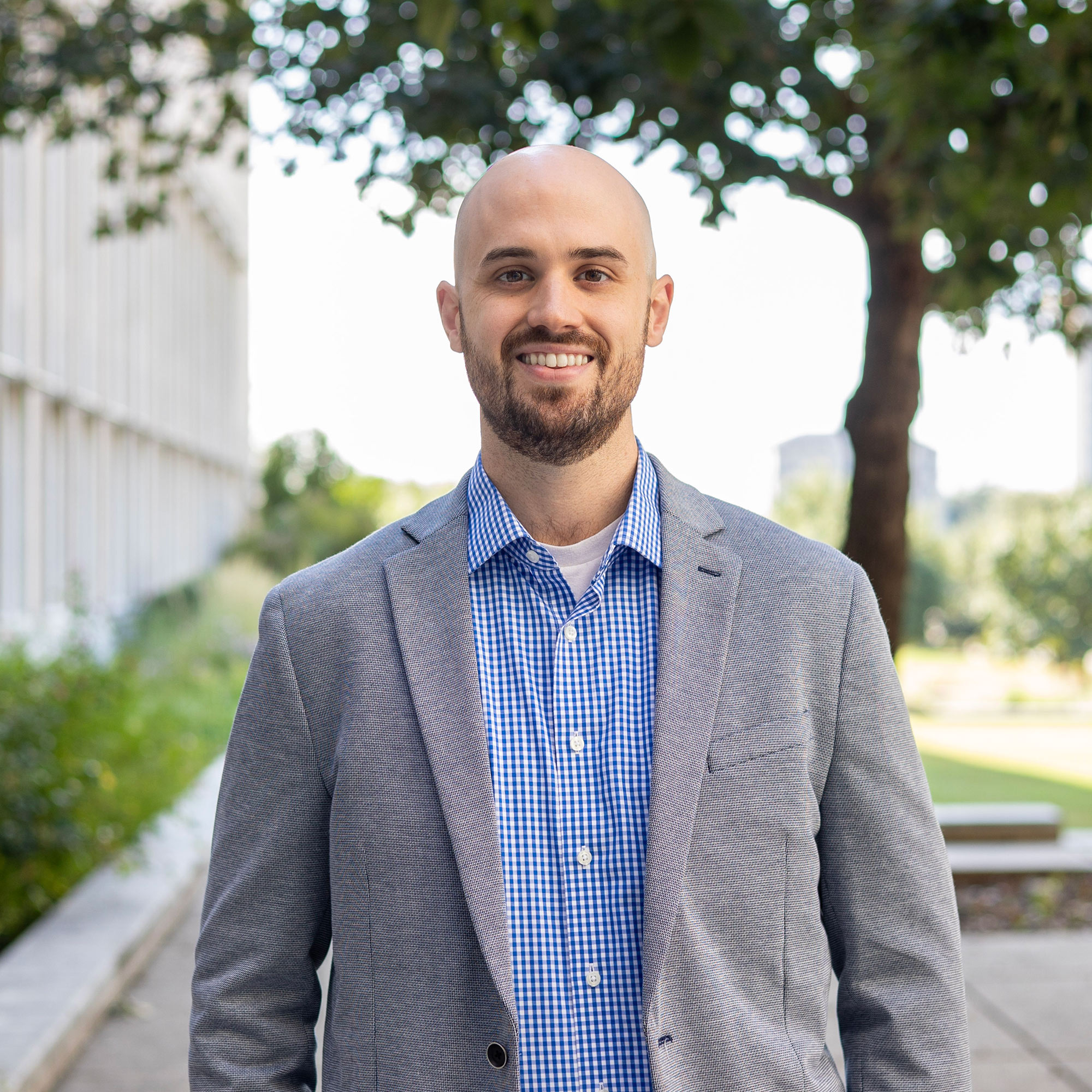
Dr. Zachary Steelman
Steelman’s lab is developing a light-based method to precisely measure the water content of living cells. This method could help researchers study how cells regulate their hydration in response to stress and injury. His lab is also working on projects that may directly aid patient care.
“On the more translational side, I’ve begun exploring optical technologies for assessing burn injury,” Steelman said. “This is born in part from my experience with the Air Force Research Lab, where we studied burns induced by directed energy sources, including high-energy lasers, to assess the safety of those technologies.”
A 2015 graduate of Texas A&M’s biomedical engineering undergraduate program, Steelman has come full circle — returning as faculty to work within the department that first inspired his career.
“The biophotonics faculty at Texas A&M are world-class, and it’s an honor to work alongside them,” he said. “In science, it’s very rare that one individual can solve a difficult problem. Collaboration is critical for making a broad impact.”